
Satellite Workshop in Neurophenomenology
OVERVIEW
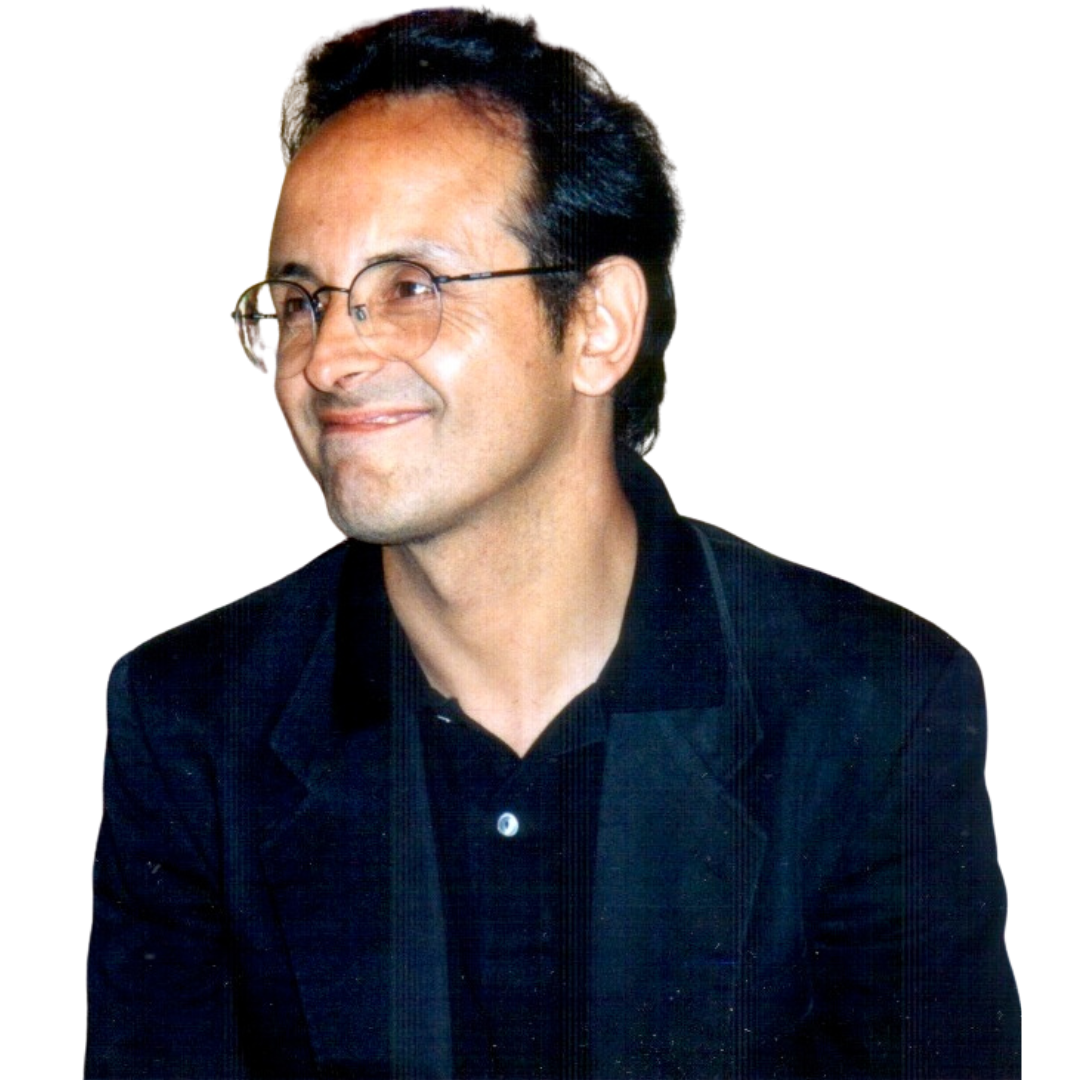
The year 2026 will mark the 30th anniversary of Francisco J. Varela’s seminal paper, “Neurophenomenology: A Methodological Remedy for the Hard Problem”, which laid the foundations for a revolutionary research program in consciousness science braiding subjective experience with neuroscience.
This two-day satellite workshop (July 4–5, 2026), taking place in Varela’s homeland, will honour the occasion by bringing together cognitive science, neuroscience, psychology, anthropology, and philosophy, to look back on 30 years of neurophenomenological research and outline emerging directions in the field.
We invite submissions that contribute to a deeper understanding of combining lived experience with third person methods in the study of consciousness, with a special emphasis on methodological standards, multimodal data integration, experiential rigor, and empirically grounded approaches. We foster submissions that critically engage with the progress, challenges, and future directions of neurophenomenology.
In the spirit of the neurophenomenological tradition, the satellite will include guided experiential sessions interwoven with the scientific program. These structured sessions will invite participants to engage directly with methods such as micro-phenomenology, attentional training, and interoceptive tracking, with the aim to cultivate a shared experiential ground to complement methodological and theoretical discussions in an embodied fashion.
We invite submissions that contribute to a deeper understanding in the study of consciousness
TOPIC OF INTEREST
Submissions may address (but are not limited to):
- Integration of first-person and neurobiological data.
- Microphenomenology, DES, and structured experiential methods in the service of neurophenomenology.
- Interoception, autonomic physiology, and their integration with phenomenological structures of lived experience.
- Synchronization of experiential and physiological signals.
- Experimental designs in neurophenomenology.
- Conceptual and methodological issues and standards.
- Multimodal neurophenomenological research.
- Clinical or applied neurophenomenology.
- Embodied, enactive, and ecological approaches within neurophenomenological experimental frameworks.
- Data analysis and reporting of phenomenological findings.
- Computational neurophenomenology.
Satellite Workshop
Submission OPEN
Until February 28
Laying down a path while walking: Thirty Years of Neurophenomenology
SYMPOSIA
Thematic Symposia
TALKS
Contributed Talks

LIVE
Experiential Sessions
POSTER
Poster Presentations
Stay Updated
We’ll keep participants informed
of any updates
Participants will be notified promptly of any new information
Conference Organizers
Aviva Berkovich-Ohana
Yair Dor-Ziderman
David Martinez Pernía
Adrián Palacios
Christopher Timmermann
Supporting Organization Commitee
Anaís Aluicio González
Kevin Blanco Madariaga
Emilio Recart Zapata
María Tejada Rivera
Alejandro Troncoso Trujillo
Antonia Zepeda Vergara